

Creatine, long associated with male bodybuilders and strength athletes, is rapidly gaining traction among women and everyday fitness enthusiasts. According to a November 16 Forbes article, "Inside the Creatine Boom: How Brands Are Developing Products for Women," U.S. retail creatine sales increased 56% year over year, based on July 2026 data from market research firm SPINS. The article also cited research involving 2,904 creatine users showing that women were more likely than men to cite healthy aging as a reason for use, while men prioritized athletic performance. This shift signals a broader transformation in the sports nutrition market, with products once marketed almost exclusively to competitive athletes now reaching mainstream consumers.
German sports nutrition company TNT (True Nutrition Technology) views the trend as an opportunity to educate a new audience about ingredient sourcing, manufacturing standards, and product quality. "Sports nutrition is no longer limited to competitive athletes or bodybuilders," said Markus Himmelstoss, Managing Director of TNT. "We're seeing growing interest from consumers with a wide range of fitness goals, including women who are incorporating strength training into their routines. That creates an opportunity to educate more people about ingredient quality and what they should look for when choosing sports nutrition products."
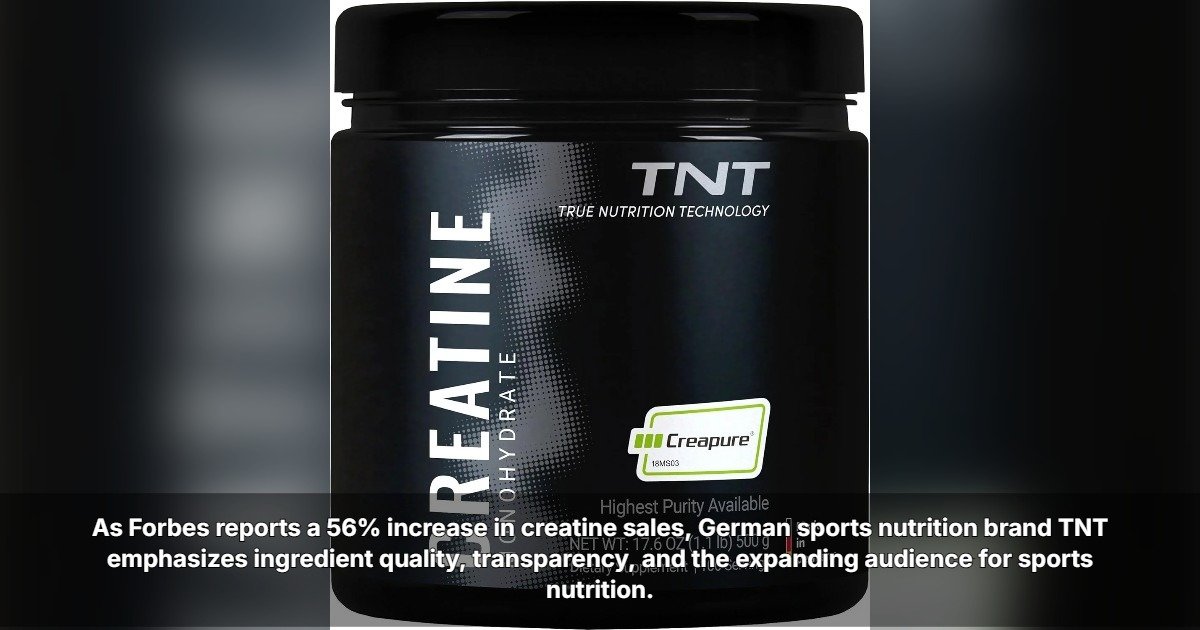
As demand grows, consumers face an expanding array of brands, formulations, and delivery formats. TNT encourages buyers to look beyond marketing claims and consider factors such as ingredient sourcing, purity and consistency, independent testing, transparent labeling, and established formulations. The company notes that creatine monohydrate is the most extensively researched form of creatine. TNT's own product, Creatine Monohydrate Creapure®, uses Creapure®, a German-manufactured ingredient produced under controlled conditions with established purity standards.
For readers interested in biohacking and optimizing health, the surge in creatine use among women highlights a growing recognition of the supplement's potential benefits beyond muscle building, including cognitive support and healthy aging. However, the expanding market also raises questions about product quality. Himmelstoss emphasized that consumers should understand that ingredient sourcing and manufacturing standards matter: "With so many new products entering the market, consumers should understand that ingredient sourcing and manufacturing standards matter. At TNT, our focus has always been on quality and transparency. We believe those principles are important whether someone is an experienced athlete or purchasing a sports nutrition product for the first time."
Founded in Germany in 2012, TNT has built a portfolio that includes Creatine Monohydrate Creapure®, Synapsensause Pre-Workout, Whey Protein, and CLEAR WHEY Protein. As the company expands its presence in the United States, it aims to introduce American consumers to its German approach to sports nutrition, emphasizing quality and transparency. The growing popularity of creatine among women illustrates how the sports nutrition category is evolving, and for the biohacking community, it underscores the importance of choosing products from brands that prioritize rigorous testing and clear labeling. As more consumers incorporate creatine into their routines for performance, aging, or cognitive support, the demand for verified quality is likely to intensify, shaping the future of the supplement industry.